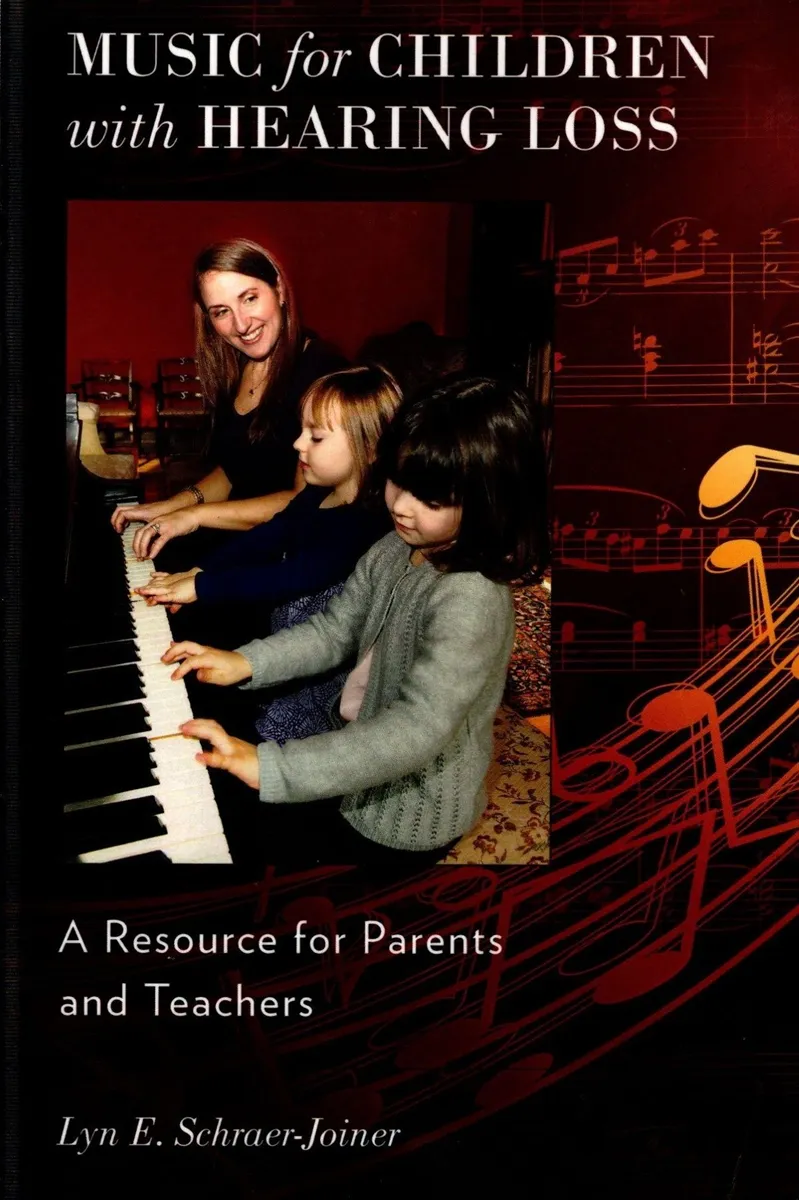
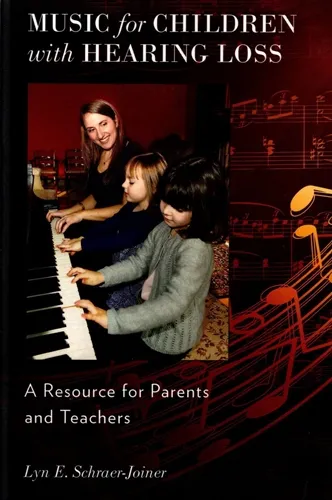
Music for Children with Hearing Loss - A Resource for Parents and Teachers
Marca: Oxford
Cód: M009228P
Nº de Páginas: 314
ISBN: 9780199855834
Idioma: Inglês
Enviamos para todo Brasil e Exterior
Quantidade
A autora Lyn Schraer-Joiner apresenta um caso convincente para oferecer educação musical a crianças com perda auditiva antes de apresentar uma série de estratégias de ensino importantes e atualizadas destinadas a informar sua experiência educacional, incluindo os preparativos para a sala de aula, estratégias de comunicação para os pais e corpo docente e dicas sobre assuntos mais específicos ou técnicos, como a condução de audiogramas musicais. Esses recursos fornecem uma base sólida para materiais de instrução práticos, como aulas de música, atividades suplementares, recursos educacionais, pontos de discussão e exemplos de diários para a sala de aula e em casa.
A mensagem deste livro é poderosa, especialmente nos dias de hoje. Conforme as tecnologias de aparelhos auditivos e implantes cocleares melhoram e se tornam cada vez mais difundidas, todos os professores - especialmente professores de música - devem esperar ver mais crianças surdas e com deficiência auditiva em suas salas de aula. Conscientização e preparação não são apenas vitais para ajudar essas crianças na sala de aula, mas na verdade são exigidas dos professores por lei federal.
Este livro é um recurso abrangente para professores e pais que desejam obter uma melhor compreensão do campo emergente da educação musical para alunos com perda auditiva.
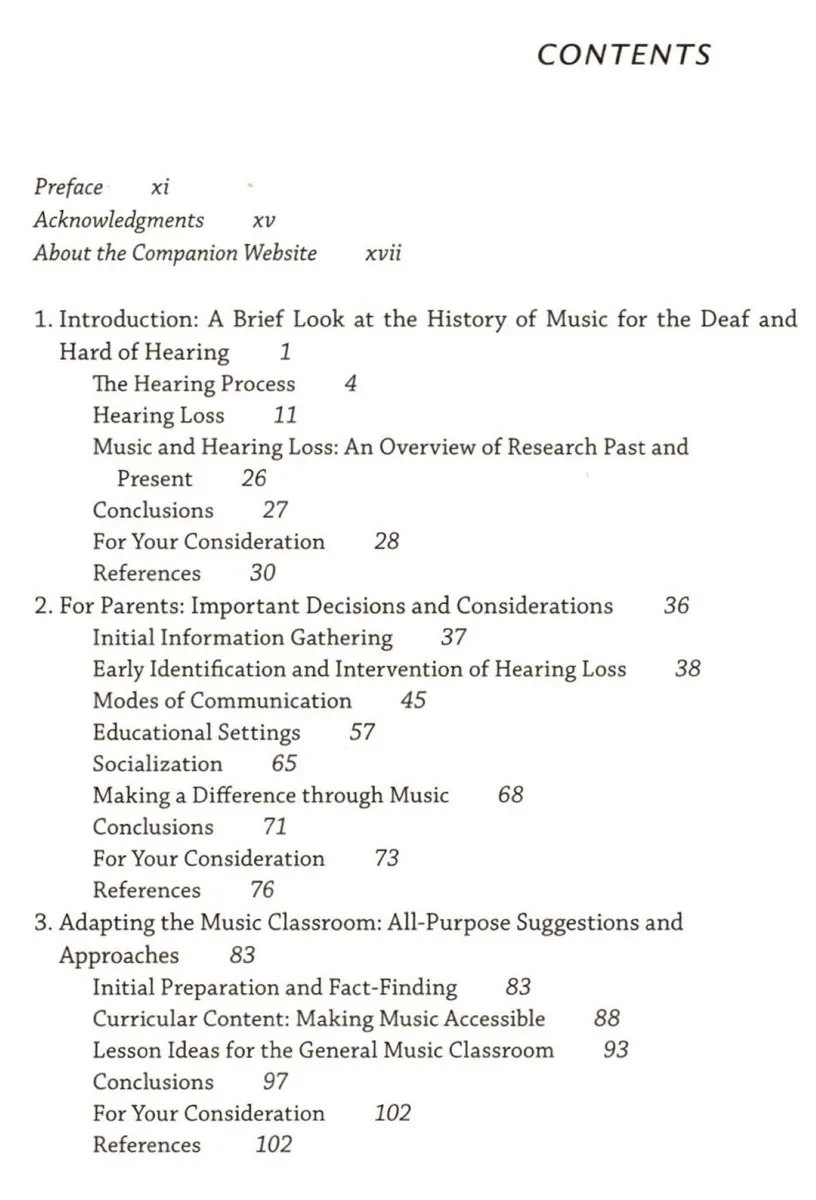
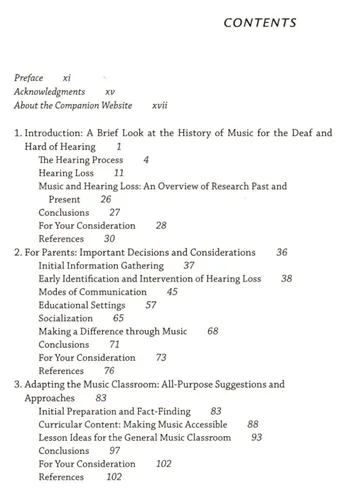
INDICE:
Chapter 1: Hearing and Hearing Loss: What Parents and Teachers Need to Know
-A Brief Look at the History of Music for the Deaf and Hard of Hearing
-The Hearing Process
-Hearing Loss
-Music and Hearing Loss: An Overview of Research Past and Present
-Conclusions
-For Your Consideration
-References
Chapter 2: For Parents: Important Decisions and Considerations
-Early Identification and Intervention of Hearing Loss
-Modes of Communication
-Educational Settings
-Socialization
-Making a Difference Through Music
-Conclusions
-For Your Consideration
-References
Chapter 3: Adapting the Music Classroom: All-Purpose Suggestions and Approaches
-Initial Preparation and Fact-Finding
-Curricular Content: Making Music Accessible
-Lesson Ideas for the General Music Classroom
-Conclusions
-For Your Consideration
-References
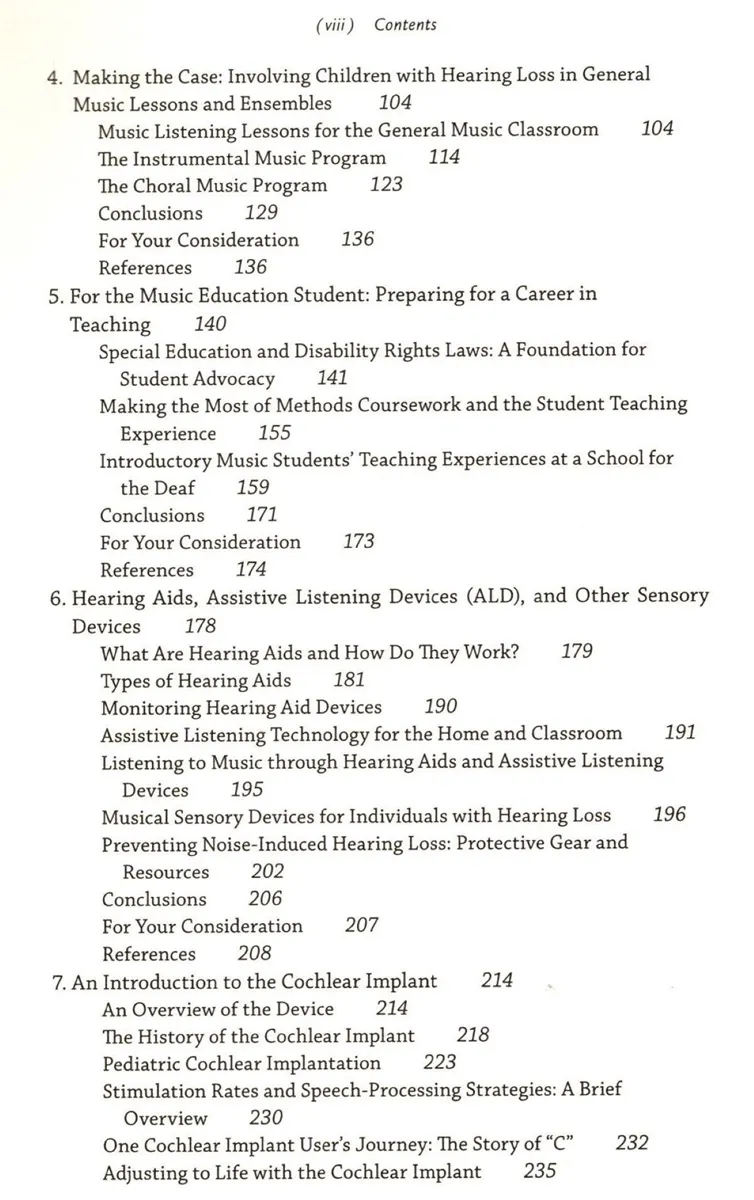
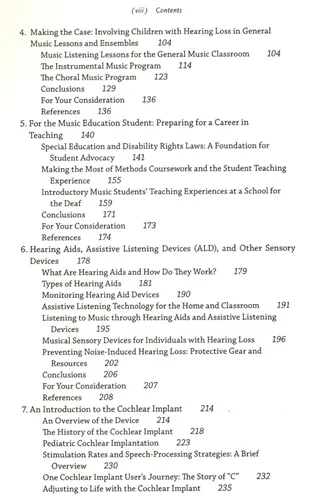
Chapter 4: Making the Case: Involving Children who are Deaf or Hard of Hearing in General Music Lessons and Ensembles
-Music Listening Lessons for the General Music Classroom
-The Instrumental Music Program
-The Choral Music Program
-Conclusions
-For Your Consideration
-References
Chapter 5: For the Music Education Student: Preparing for a Career in Teaching
-Special Education and Disability Rights Laws: A Foundation for Student Advocacy
-Making the Most of Methods Coursework and the Student Teaching Experience
-Introductory Music Students Teaching Experiences at a School for the Deaf
-Conclusions
-For Your consideration
-References
Chapter 6: Hearing Aids, Assistive Listening Devices (ALD) and Other Sensory Devices
-What are Hearing Aids and How Do They Work?
-Types of Hearing aids
-Monitoring Hearing Aid Devices
-Assistive Listening Technology for the Home and Classroom
-Musical Sensory Devices for Individuals with Hearing Loss
-Preventing Noise Induced Hearing Loss: Protective Gear and Resources
-Conclusions
-For Your Consideration
-Teachers and Parents
-References
Chapter 7: An Introduction to the Cochlear Implant
-An Overview of the Device
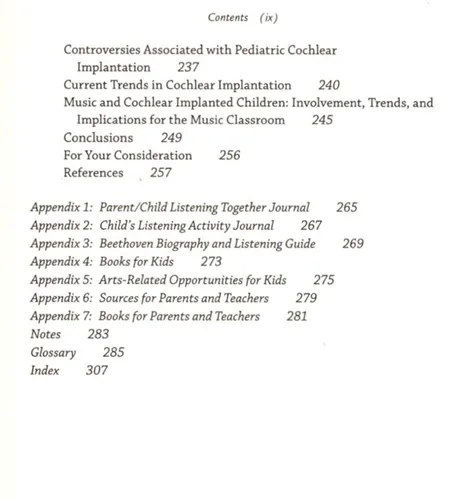
-The History of the Cochlear Implant
-Pediatric Cochlear Implantation
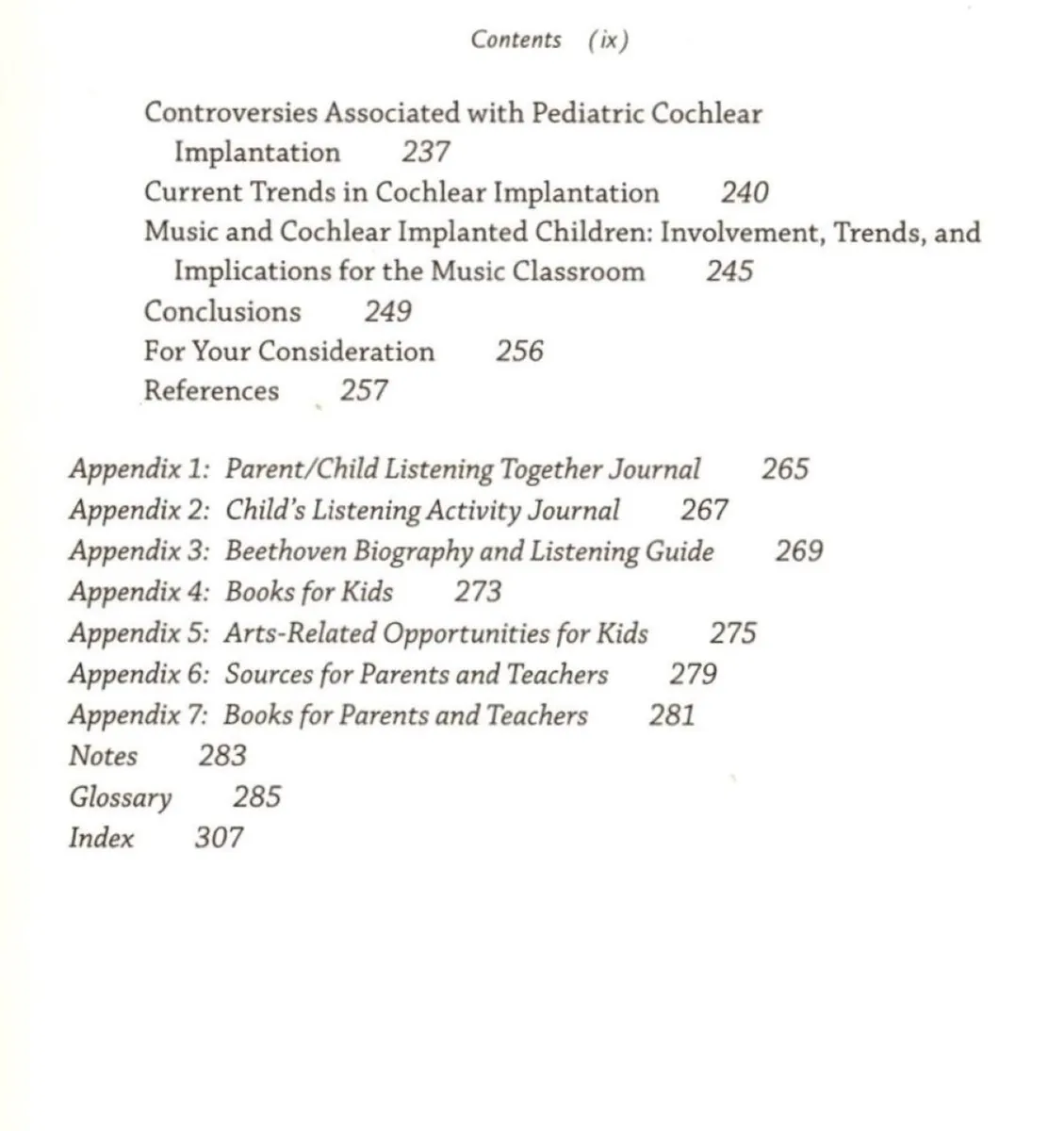
-Candidacy: Initial Testing and Evaluation.
-The Implantation Process
-Activation of the Implant and Mapping
-Stimulation Rates and Speech Processing Strategies: A Brief Overview
-One Cochlear Implant User's Journey: The Story of "C"
-Adjusting to Life with the Cochlear Implant
-Controversies Associated with Pediatric Cochlear Implantation
-Current Trends in Cochlear Implantation
-Music and Cochlear Implanted Children: Involvement, Trends, and Implications for the Music Classroom
-Conclusions
-For Your Consideration
-References
Appendix 1
Appendix 2
Appendix 3
Appendix 4
Appendix 5
Appendix 6
Appendix 7
A mensagem deste livro é poderosa, especialmente nos dias de hoje. Conforme as tecnologias de aparelhos auditivos e implantes cocleares melhoram e se tornam cada vez mais difundidas, todos os professores - especialmente professores de música - devem esperar ver mais crianças surdas e com deficiência auditiva em suas salas de aula. Conscientização e preparação não são apenas vitais para ajudar essas crianças na sala de aula, mas na verdade são exigidas dos professores por lei federal.
Este livro é um recurso abrangente para professores e pais que desejam obter uma melhor compreensão do campo emergente da educação musical para alunos com perda auditiva.
INDICE:
Chapter 1: Hearing and Hearing Loss: What Parents and Teachers Need to Know
-A Brief Look at the History of Music for the Deaf and Hard of Hearing
-The Hearing Process
-Hearing Loss
-Music and Hearing Loss: An Overview of Research Past and Present
-Conclusions
-For Your Consideration
-References
Chapter 2: For Parents: Important Decisions and Considerations
-Early Identification and Intervention of Hearing Loss
-Modes of Communication
-Educational Settings
-Socialization
-Making a Difference Through Music
-Conclusions
-For Your Consideration
-References
Chapter 3: Adapting the Music Classroom: All-Purpose Suggestions and Approaches
-Initial Preparation and Fact-Finding
-Curricular Content: Making Music Accessible
-Lesson Ideas for the General Music Classroom
-Conclusions
-For Your Consideration
-References
Chapter 4: Making the Case: Involving Children who are Deaf or Hard of Hearing in General Music Lessons and Ensembles
-Music Listening Lessons for the General Music Classroom
-The Instrumental Music Program
-The Choral Music Program
-Conclusions
-For Your Consideration
-References
Chapter 5: For the Music Education Student: Preparing for a Career in Teaching
-Special Education and Disability Rights Laws: A Foundation for Student Advocacy
-Making the Most of Methods Coursework and the Student Teaching Experience
-Introductory Music Students Teaching Experiences at a School for the Deaf
-Conclusions
-For Your consideration
-References
Chapter 6: Hearing Aids, Assistive Listening Devices (ALD) and Other Sensory Devices
-What are Hearing Aids and How Do They Work?
-Types of Hearing aids
-Monitoring Hearing Aid Devices
-Assistive Listening Technology for the Home and Classroom
-Musical Sensory Devices for Individuals with Hearing Loss
-Preventing Noise Induced Hearing Loss: Protective Gear and Resources
-Conclusions
-For Your Consideration
-Teachers and Parents
-References
Chapter 7: An Introduction to the Cochlear Implant
-An Overview of the Device
-The History of the Cochlear Implant
-Pediatric Cochlear Implantation
-Candidacy: Initial Testing and Evaluation.
-The Implantation Process
-Activation of the Implant and Mapping
-Stimulation Rates and Speech Processing Strategies: A Brief Overview
-One Cochlear Implant User's Journey: The Story of "C"
-Adjusting to Life with the Cochlear Implant
-Controversies Associated with Pediatric Cochlear Implantation
-Current Trends in Cochlear Implantation
-Music and Cochlear Implanted Children: Involvement, Trends, and Implications for the Music Classroom
-Conclusions
-For Your Consideration
-References
Appendix 1
Appendix 2
Appendix 3
Appendix 4
Appendix 5
Appendix 6
Appendix 7
- Tipo de entrega
- Preço
- Prazo
- {{#each deliveryMethods}}
-
{{ DeliveryName }}
{{ formatMoney Amount }}
{{ EstimatedUnit }}
{{/ each}}


